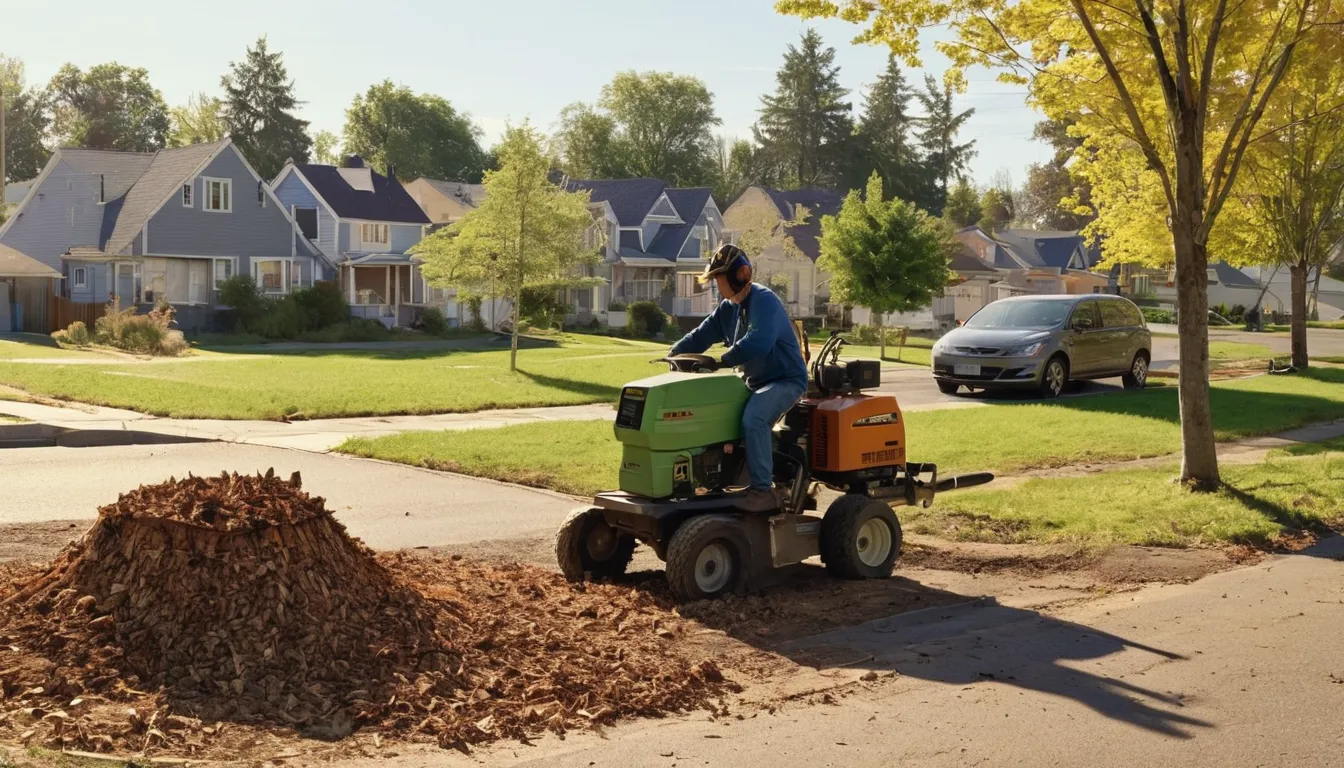
Need emergency tree removal services in Poolesville?
Tell us about the tree, the stump or the storm damage. Request an estimate and an independent local provider can follow up with a written quote.
No obligation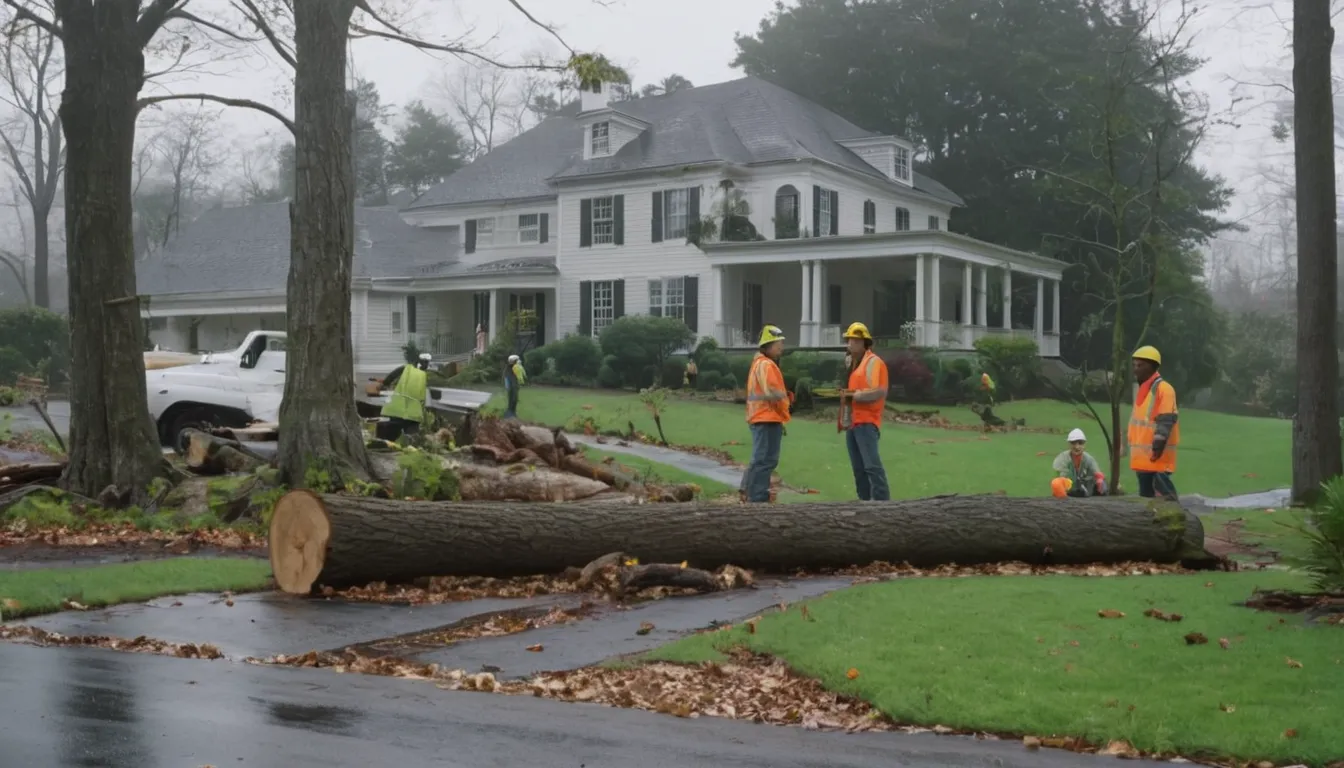
Say a storm rolls through overnight. By morning, a trunk lies across the driveway, or a heavy limb is resting on the roofline. You need someone who can look at it soon, and you do not want to scroll through pages of listings to find them.
Ohiomint Tree Service is a referral service. We do not cut, haul or grind anything ourselves. We connect homeowners in the Poolesville area with independent local providers who handle emergency tree removal. The provider assesses the damage, explains the plan and gives you a written quote. Acting while the problem is small helps protect the property, the yard and the long-term value of the home.
Say you wake up after a nor'easter. The wind has settled. You look out the window and see a trunk across the driveway, or a big limb resting on the roof. Your stomach drops, and you are not sure who to phone.
That is when a clear path helps. Ohiomint Tree Service is a referral service, and the providers in our network do the work. We connect homeowners in Poolesville with independent local providers for emergency tree removal, so you can spend less time searching and more time keeping everyone safe.
Before anything else, check the scene from a distance. Nothing in the yard is worth an injury.
A tree touching a power line can make branches, fences and wet ground dangerous. Stay well back. Report downed lines to the utility company and let them deal with it. A tree provider will not start until the lines are clear.
A fallen trunk can be under tension. It can roll or snap without warning. Keep kids, pets and neighbors away. Do not climb the pile, and do not try to cut it with a chainsaw yourself.
Some situations cannot wait. Others can be booked for a few days out. Here is a simple way to sort them.
A dead tree that still stands is a different case. It can usually be scheduled, but do not leave it through another storm season.
Picture the first visit. A provider arrives, walks the property and looks at where the weight sits. Then they explain what they plan to do.
Safety comes first. The provider may rope off the area and secure leaning pieces. On a colonial or split-level, that often means cutting in small sections so nothing drops on the roof.
Next the tree is cut into manageable pieces and moved. Many providers can also haul away the debris. Ask what is included before the work begins.
After a major storm, lots of neighbors need help at once. Providers sort the jobs by risk. Trees on houses and blocked roads usually go first. A branch in the back corner may wait.
Expect some patience. Request a callback to check provider availability, since many providers can respond quickly when they have room in the schedule.
Say a limb has punched through the roof. Some policies may cover sudden damage from a fallen tree, so check your policy for the details. Providers can often help document damage for a claim.
If it is safe, take photos before anything is moved. Keep every receipt and written quote. Tell your insurer early. Many policies treat a tree that fell without hitting anything differently, so ask before you assume.
A rushed job can leave cracked pavers, a torn-up lawn or bent gutters. A careful one protects the roof, siding, fence and yard. That matters later, when a buyer looks at the home and asks what happened.
Keep the paperwork from the tree work. A clean record shows the problem was handled properly, and it supports resale value down the road.
Once the cleanup is done, walk the yard and look at the other trees. Humid summers and winter frost cycles are hard on roots and wood.
Have a provider look at anything that worries you while the weather is calm. It is easier to schedule, and it is handled while small.
A few plain questions can save a lot of stress.
A leaning tree is a warning. A fallen one is a bill. Either way, getting a local provider to look at it sooner protects the home and the yard.
Providers cut and clear trees that have dropped across roofs, yards, fences and driveways.
Cracked or hanging limbs over the house can be taken down in controlled sections by a provider.
Many providers haul away logs and branches, so the yard is usable again after the job.
Providers can often help document damage for an insurance claim.
Prices vary by tree size, access, risk and timing. These are typical U.S. ranges only. Always ask the provider for a written quote before work begins.
| Item | Typical range | Notes |
|---|---|---|
| Small tree removal | $200 – $800 | Easy access and no structures nearby |
| Large tree removal | $1,000 – $3,000 | Height, trunk width and tight spaces add cost |
| Tree on a house or garage | $1,500 – $5,000+ | May need a crane and extra safety steps |
| Single hanging limb | $150 – $600 | Depends on the height and the roof angle |
| Debris haul-away | $100 – $500 | Sometimes included, so ask first |
| Storm-time rush extra | $100 – $1,000 | Some providers add a fee for urgent work |
Stay back from the tree and any wires, keep family and pets away, and take photos from a distance.
Request a callback or request an estimate to get connected.
The provider looks at the site, explains the work and gives a written quote.
The tree is removed, the area cleaned up, and you keep the paperwork.
Skip long lists of listings and reach an independent local provider with one simple request.
Providers in our network work in your area and know local conditions.
Ohiomint Tree Service connects you. The provider does the work and gives the quote.
Careful removal helps protect your roof, yard and the home's future value.
Tell us about the tree, the stump or the storm damage. Request an estimate and an independent local provider can follow up with a written quote.
No obligationTell us about the tree, the stump or the storm damage. Request an estimate and an independent local provider can follow up with a written quote.
No obligation